Purchase
Acquire a property when the closing schedule or current condition calls for a shorter-term financing review.
Property and project financing
Short-term financing can help when a property, project, or closing timeline does not fit a conventional loan path. Citadel begins with the property, the project plan, the requested timeline, and the intended exit strategy.
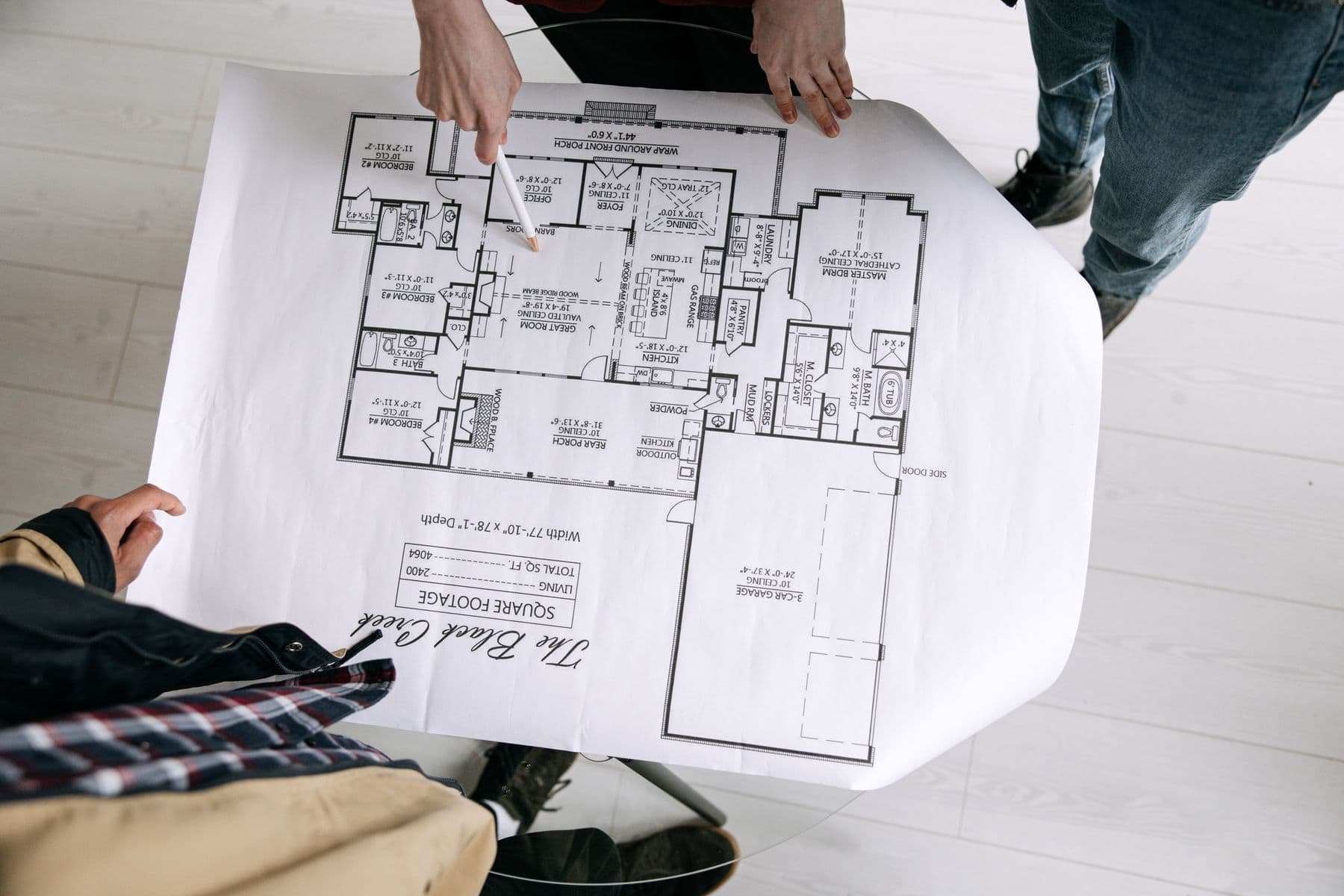
Bridge and construction financing is often used when timing, renovation, or the condition of a property matters as much as the borrower’s long-term financing plan.
The appropriate structure depends on the property, available equity, project scope, budget, experience, and how the loan is expected to be repaid or replaced. A short inquiry can help identify which information should be reviewed first.
Financing purpose
Acquire a property when the closing schedule or current condition calls for a shorter-term financing review.
Replace existing debt while a property, construction plan, or longer-term financing path is being completed.
Review whether available equity may support renovation, construction, or another documented project purpose.
Available paths
Select a program to see what it is, when it may be considered, and which details usually matter first.
Hard money lending generally places significant weight on the property, equity, loan purpose, and repayment plan. It may be considered for time-sensitive acquisitions, properties requiring work, or situations that do not fit a conventional timeline. Rates, fees, leverage, and documentation vary by lender and scenario.
A bridge loan may help connect a purchase, refinance, sale, renovation, or stabilization plan. The review typically considers the current property, the next transaction, the expected timing, and how the bridge balance will be repaid. A bridge loan is temporary financing, so the exit plan is a central part of the conversation.
Construction lending may involve budgets, plans, permits, draw schedules, contractor information, borrower experience, and the completed value of the property. Requirements differ substantially between lenders and project types. Early review helps identify which project documents are needed before a formal application moves forward.
Fix-and-flip financing may combine acquisition and renovation needs in one project review. The lender may evaluate the purchase price, renovation budget, current and after-repair value, timeline, experience, reserves, and intended sale. Final terms depend on the full property and borrower scenario.
Prepare for the conversation
You do not need every document before you ask a question. Begin with what you have, and Citadel can explain what may be needed next.
Reviewed with a real person
Loan categories are a starting point. Nicolas can help identify the questions that matter for the property or business and explain which information may support the next stage.
Meet NicolasCommon questions
Closing time depends on the property, title, valuation, requested structure, documents, lender capacity, and borrower readiness. Citadel does not promise a closing date before the scenario is reviewed.
A detailed budget is commonly requested for construction and renovation financing. The required format and supporting documents depend on the lender and project.
The exit strategy explains how short-term financing is expected to be repaid, such as through a property sale, project completion, or replacement with longer-term financing.
Eligible refinance and cash-out scenarios may be reviewed. Available proceeds and terms depend on the property, equity, purpose, borrower profile, and lender requirements.
Tell Citadel what you are financing, what you want to accomplish, and what information is available. A short inquiry is enough to begin.